
A move to Ghana rarely comes undone because someone changed their mind. It comes undone in the small print — a visa left too late, a deposit wired to the wrong hands, a lump sum of rent nobody warned you about. The good news is that almost every one of those surprises is avoidable if you work through them in the right order. This is that order: what a US citizen needs to sort before the flight, what changes the day you land, and what to leave until you have your feet under you.
You will need a Ghana visa arranged in advance — the May 2026 visa-free rule is for African Union passports, not a US one — plus a yellow fever certificate, and a plan for the upfront rent Accra landlords tend to ask for. Longer-term status (a residence permit, Right of Abode, or citizenship) is a separate, slower process you start after you have somewhere to live, not before. Sort the entry paperwork first; everything else can follow you.
Start with the paperwork, not the plane ticket
The single most common misstep is booking flights before the visa. As a US passport holder you are not covered by the visa-free entry Ghana opened to African Union passports on 25 May 2026 — you still need a Ghana visa arranged before you travel, and there is no general visa-on-arrival for US tourists. Turning up without one can mean being turned away at check-in in the States, before you have even left. There are two realistic routes in:
- The e-Visa. Ghana is moving visa applications online through a new e-Visa portal, rolling out in phases through 2026. Where it is live for your region, you complete the form, pay and upload documents online and receive an electronic visa to present at the border.
- The embassy or High Commission route. The traditional path — apply through the Ghana Embassy in Washington DC or your nearest consulate. Processing usually runs five to fifteen business days, and longer in the October–November rush before December in Ghana. If you are aiming for a December landing, apply by September.
A single-entry tourist visa typically costs in the region of $60–$100. Whichever route you use, confirm the current fee and document list with the Ghana Embassy directly rather than a third-party agent site — the details change, and the official source is the only one worth trusting.
| Before you fly | Detail |
|---|---|
| Passport | At least six months' validity beyond your travel date, with a blank page. |
| Ghana visa | Arranged in advance — e-Visa where live, or the Ghana Embassy in Washington DC. |
| Yellow fever certificate | Legally required to enter Ghana, for everyone over nine months old, from an authorised centre. |
| Return or onward ticket | Airlines and some embassies will not check you in without one. |
| Airport charge | A $100 Airport Infrastructure Development Charge applies to arrivals, usually collected with your ticket. |

Your legal status changes the day you land — then again, slowly
Arriving on a tourist visa buys you time, not residence. Tourist stays generally run 60 to 90 days, extendable through the Ghana Immigration Service. To actually live and work in Ghana you move onto one of three longer paths, and it helps to know the difference before you pick one.
A residence permit is the standard route for someone taking a job or running a business — it is tied to that employment, and an employer or your own registered company usually sponsors it through the Immigration Service.
Right of Abode is the diaspora-specific status many returnees ask about. The Ghana Immigration Service describes it precisely: it "grants the holder the right to reside permanently in Ghana, enter Ghana without visa, work or be employed without a work permit," and it is open to "a person of African descent in the Diaspora." That is a strong package — but the application is heavier than people expect. You apply by letter to the Minister for the Interior, it is granted with the President's approval after Immigration Service due diligence, and the diaspora requirements assume an established footprint: proof of economic contribution, three years of audited accounts, six years of tax clearance certificates, police reports and a medical report, with an official timeline of six months after due diligence is reported. In plain terms, Right of Abode rewards people who already have roots down — it is not a newcomer's first move.
Citizenship is the deepest path — full membership, with a passport and the vote — and Ghana has sworn in diaspora members in public ceremonies as part of its Beyond the Return programme. The requirements, fees and discretion are set by the Ministry of the Interior and Diaspora Affairs and do change, so confirm the current process with them directly. Our companion guide on Right of Abode or dual citizenship walks through which one fits which kind of move.
None of the long-term statuses is quick, and none needs to be in place before you arrive. Come in properly on a visa, get somewhere to live, then begin the residence or Right of Abode paperwork with a qualified Ghanaian immigration lawyer. Starting the reverse way — trying to secure permanent status from the US before you have ever set foot down — is how people lose money to agents promising shortcuts that do not exist.
Money: move it carefully, and never wire a deposit blind
Two money problems catch newcomers. The first is banking. Opening a Ghanaian bank account increasingly runs through the Ghana Card, the national ID, and the rules for doing that from abroad are their own subject — we cover them separately, so plan to arrive with a working card from home and enough accessible funds for the first few weeks while you sort a local account.
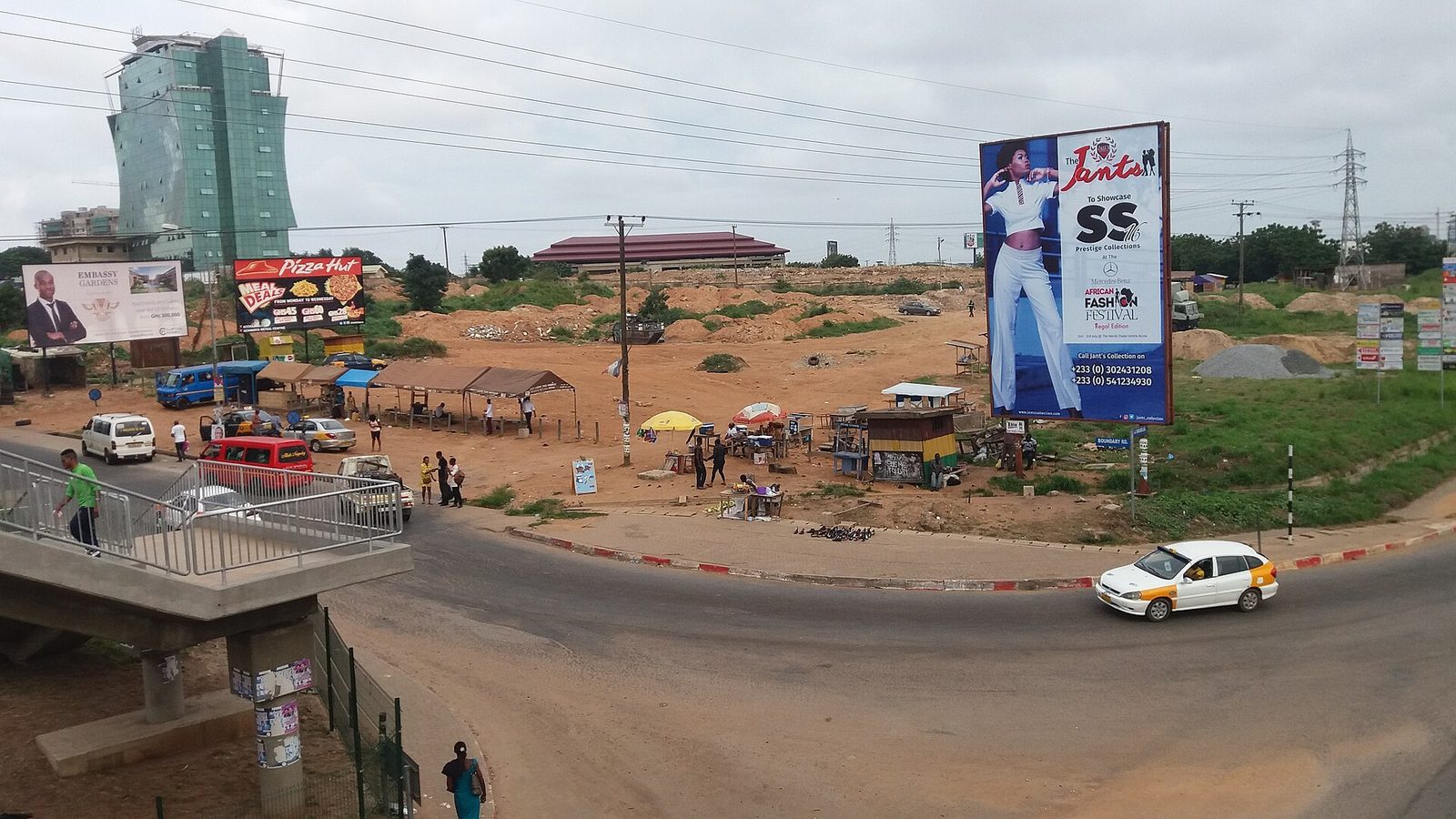
The second is the deposit trap. It is genuinely common to be asked for one to two years of rent in advance, in US dollars, for the furnished apartments returnees tend to want. That upfront lump sum — not the monthly figure — is what blows budgets, and it is also where the scams live. Never wire a deposit for a place you have not had someone you trust inspect in person. If a listing is priced far below everything around it and the "landlord" wants money before you can see it, walk away. Our cost of living in Accra guide lays out the real monthly and upfront numbers in cedis, dollars and pounds.
Housing: plan for the lump sum, not the monthly
Because of that upfront-rent norm, housing is best treated as a two-stage move. Book a short-let or a modest serviced place for your first few weeks — long enough to see neighbourhoods in daylight, meet people, and learn which agents are real. Then commit to a longer lease once you can hand over that deposit with your own eyes on the property. Trying to lock in a year's apartment from Atlanta or Houston, sight unseen, is the most expensive way to do this.
Health cover: one requirement, several strong recommendations
Yellow fever vaccination is the one shot you are legally required to have to enter Ghana. Everything else on the travel-clinic list — and malaria protection in particular — is strongly recommended by the US CDC rather than legally required, but "recommended" here means genuinely important, not optional. Sort your vaccinations and malaria plan before you fly, and arrange health insurance that actually covers you in Ghana, including the cost of evacuation, rather than assuming a US plan travels with you. It usually does not.
Shipping your life, or leaving most of it
Most people ship far more than they need and regret the freight bill. Ghana has what a modern life requires; what it charges a premium for is imported branded goods, which is exactly the category a full container tends to be stuffed with. A sober approach is to bring documents, a modest amount of what you cannot easily replace, and the electronics you rely on, and to buy the rest locally once you know your neighbourhood. If you are set on a container, get a written, itemised quote and understand the duties before anything leaves the US — customs charges at the Ghana end surprise people as much as any rent deposit.
Your first 30 days, in order
Land, then work through this rather than trying to do everything at once:
- Get a local SIM and mobile-data bundle — cheap, and it unlocks Bolt, Uber, mobile money and everything else.
- Use app-based rides while you learn the roads; leave buying a car for later.
- Register with your embassy and note the nearest reputable hospital before you need it.
- Meet the returnee and local networks in person before you sign anything — they are your best filter on agents and landlords.
- Open your local bank account and begin the Ghana Card process once you have an address.
- Only then start the residence permit or Right of Abode paperwork, with a qualified Ghanaian immigration lawyer.
This is general information for planning, not legal or immigration advice. Ghana's visa, residence and citizenship processes involve official discretion and change over time — confirm the current requirements with the Ghana Embassy, the Ghana Immigration Service, the Ministry of the Interior and a qualified Ghanaian immigration lawyer before you act.
The Heritage Preparation Pack is free.
Twelve preparation modules on arriving well — practically, culturally and financially — built with Ghanaians. No charge. Get the free pack →
Get the free pack →Sources cited in this article
- Ghana Immigration Service — Visas (entry requirements and visa types): gis.gov.gh/visas
- Ghana Immigration Service — Right of Abode service page: gis.gov.gh/service/right-of-abode
- Ministry of the Interior, Republic of Ghana — Right of Abode (e-services portal): mint.gov.gh
- Embassy of Ghana, Washington DC — visa services for US applicants: washington.mfa.gov.gh
- US Centers for Disease Control and Prevention — Ghana traveller health (yellow fever and recommended vaccines): wwwnc.cdc.gov/travel/destinations/ghana
- Photograph: Kotoka International Airport, Accra, by Rjruiziii, CC BY-SA 3.0, via Wikimedia Commons: commons.wikimedia.org
- Photograph: Shiashie, East Legon, Accra, by Masssly, CC BY-SA 4.0, via Wikimedia Commons: commons.wikimedia.org

