
"Is Ghana safe?" is usually a stand-in for a bigger, less answerable question — will I be safe there, specifically, as a Black American, in a way that a generic travel-advisory page cannot tell you. The honest answer sits between two extremes people show up carrying: the fear that Ghana is dangerous in the way American media sometimes paints the whole continent, and the fantasy that landing in the Motherland means instant belonging and zero risk. Neither is accurate. This is what actually shapes your safety in Ghana, in plain terms.
Ghana is one of West Africa's more stable, welcoming countries for travellers, and both the US State Department and UK FCDO rate it accordingly — a general "exercise increased caution" level rather than a travel warning, with specific higher-risk regions called out separately. The real everyday risks for a visitor are petty theft and scams in crowded urban spots, and road safety — Ghana's roads are the thing most likely to actually hurt you, not crime. How you are treated as a Black American is generally warm, but it is not automatic belonging; class and accent read before race does.
What the official advisories actually say
Start with the primary sources rather than forum posts. As of July 2026, the US State Department rates Ghana at Level 2, "Exercise Increased Caution," the same tier as many popular travel destinations. Its advisory flags violent crime — carjacking, street mugging, assault — as something that "occurs in Ghana," most often at night and in remote locations, alongside petty theft that targets people who look affluent or distracted. It escalates to Level 3, "Reconsider Travel," specifically for the northern border areas and parts of the Savannah Region near the N12 highway, citing highway robbery and armed banditry in those zones — a genuinely different risk profile from Accra, Kumasi or Cape Coast, where most diaspora travel happens.
The UK FCDO takes a similar shape: general travel advice for the country, with a specific "advises against all but essential travel" call-out for the Bawku Municipality in the Upper East region, tied to intercommunal violence there. Outside that pocket, the FCDO's guidance reads as standard caution rather than alarm.
The pattern in both is consistent: Ghana overall is not a high-risk destination, and the specific higher-risk zones are ones a typical returnee or heritage traveller — sticking to Accra, the Central Region coast, Kumasi and the well-worn Cape Coast–Elmina route — is unlikely to visit anyway. Confirm the current advisory yourself before you fly; these ratings and regional call-outs are reviewed and do change.
Petty crime and scams: real, concentrated, and manageable
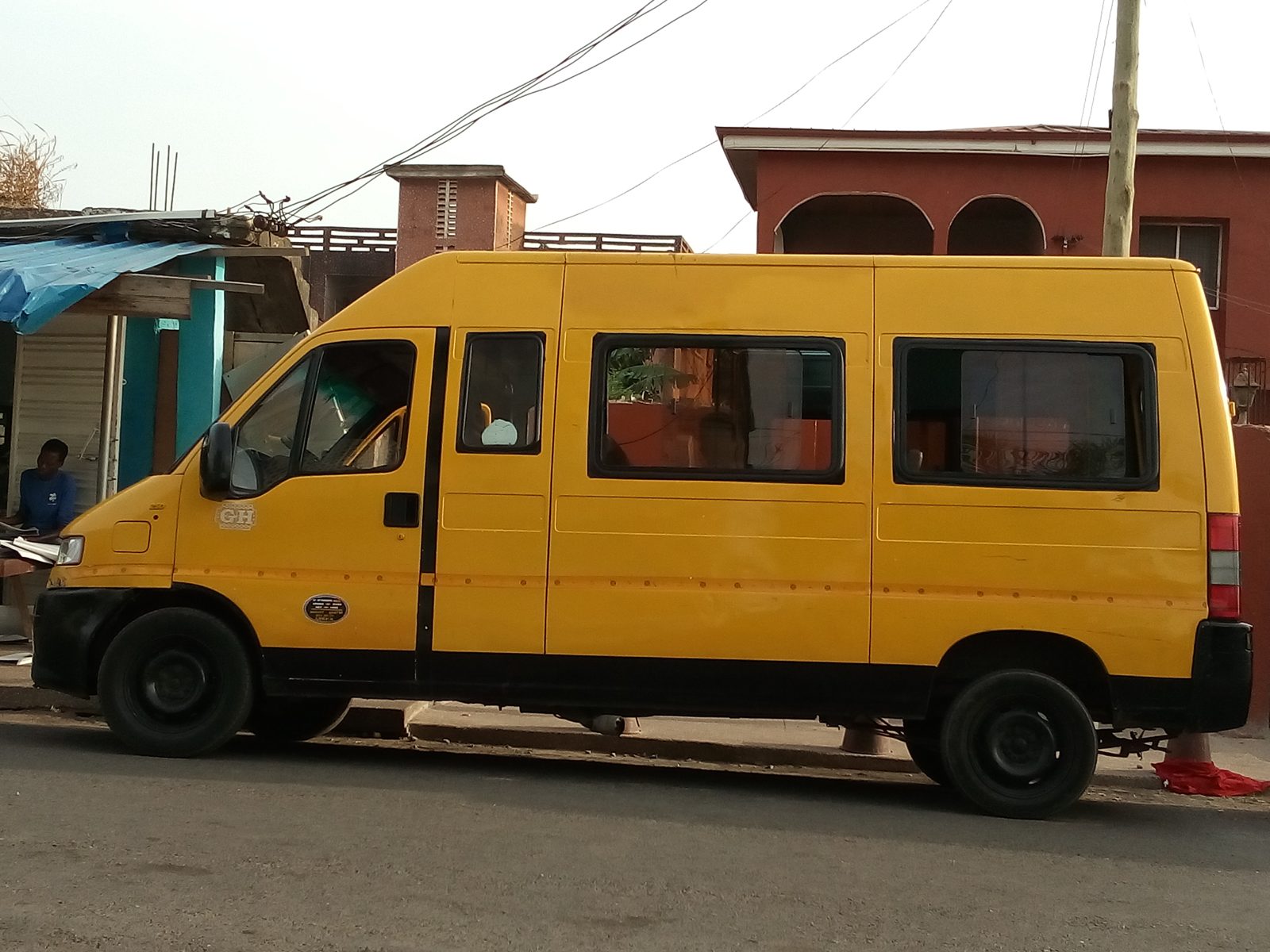
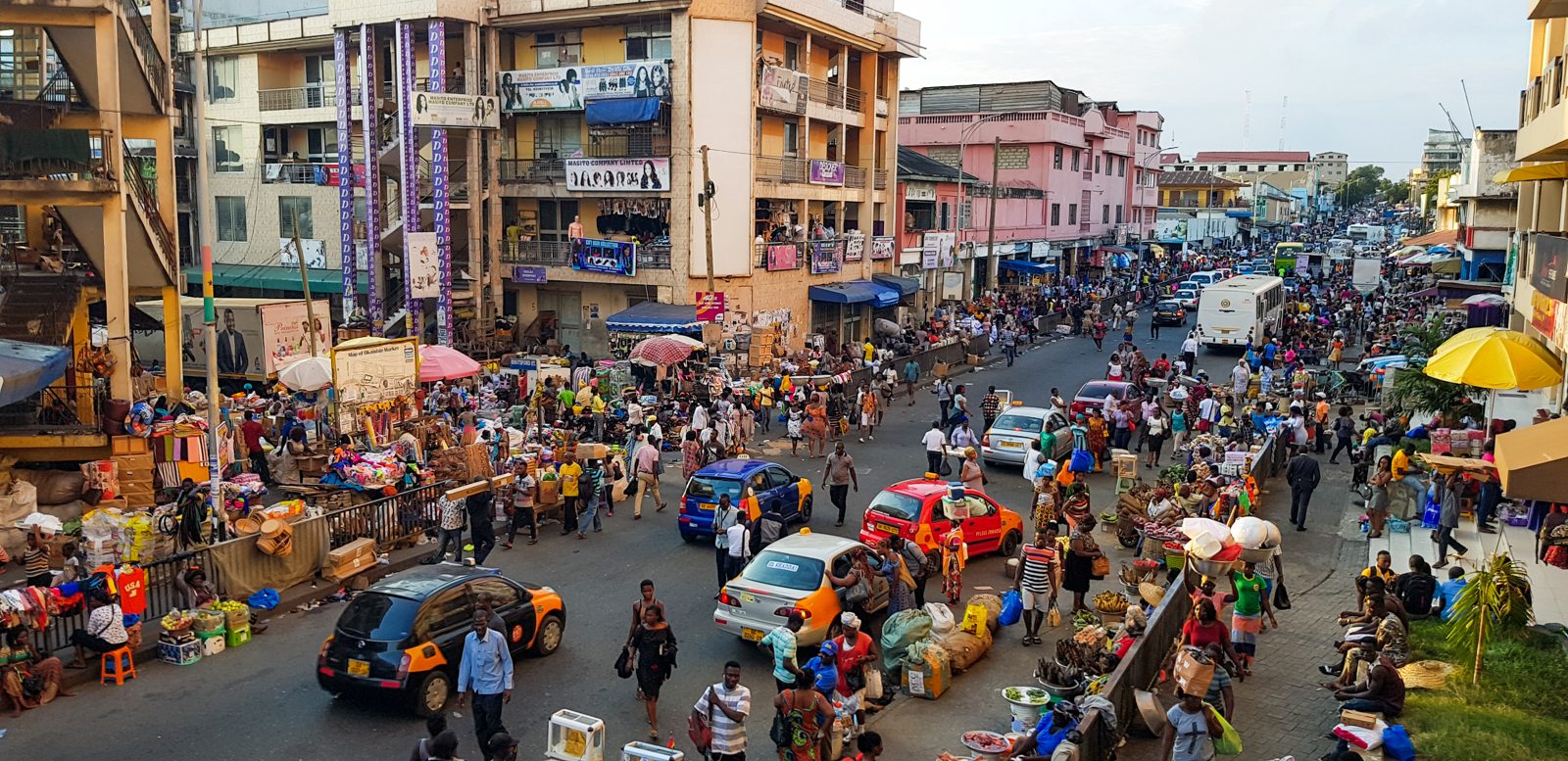
The crime a typical visitor is actually likely to encounter is not violent — it is opportunistic. Pickpocketing on crowded trotros and at busy markets like Makola, phone-snatching in traffic, and the classic overcharge or "changed price" at unofficial taxi stands. None of this is unique to Ghana; it is the same profile as any large, busy capital. The pattern that does catch newcomers is the affinity scam — someone who plays on the diaspora-welcome narrative specifically, positioning themselves as a fellow "brother" or "sister" who can get you a deal, a deposit, a land parcel, or an introduction, and then disappears with the money. Warmth is real in Ghana, but it is not a security clearance. Verify who you are dealing with the same way you would anywhere else: through people who already live there, not through whoever approaches you first.
| Common friction point | Practical response |
|---|---|
| Trotro and market pickpocketing | Keep valuables in a front pocket or zipped bag; leave the passport at your accommodation with a copy on you. |
| Unofficial taxi overcharging | Agree the fare before you get in, or use Bolt/Uber, which fixes the price upfront. |
| "Diaspora deal" scams | Never wire money for land, a deposit or an "opportunity" to someone you met that week. Verify through an established local network first. |
| Night travel outside cities | Avoid it where possible; this is where both the State Department and FCDO note higher risk. |
Road safety is the risk that actually deserves your attention
If you want the honest, unglamorous answer to "what's most likely to hurt me in Ghana," it is not crime — it is the roads. Ghana's road network mixes fast highway stretches with poorly lit rural roads, inconsistent enforcement, and a high volume of motorcycles and trotros driving assertively. Road traffic incidents are a leading cause of injury to travellers in Ghana, and both the CDC and the travel-advisory pattern above treat this as a genuine, ongoing risk rather than a minor footnote. The practical response is straightforward: use registered ride-hail apps or a driver recommended by people you trust rather than flagging cars at random, avoid night travel between cities, wear a seatbelt even when the vehicle does not obviously expect you to, and be extra cautious as a pedestrian — pavements are inconsistent and traffic does not always yield the way it might at home.
How you are actually treated — not the fantasy version
A lot of pre-trip anxiety among Black American travellers is really about belonging, not crime: will people see me as one of their own, or as an outsider with money. The honest answer is neither extreme. Ghanaians are broadly warm and hospitable toward diaspora visitors, and the country has actively built a welcome around the returnee narrative since Year of Return. But you will still be read primarily as a foreigner with dollars the moment you speak, dress, or move through a space differently from locals — before race enters the equation at all. Class and perceived wealth shape how vendors, drivers and officials treat you far more than skin colour does; a Black American in visibly expensive gear is more likely to be quoted the "obruni price" than a Ghanaian in ordinary clothes. Colourism also exists within Ghana as it does across much of the world, and it does not vanish because you have arrived expecting an unconditional homecoming. None of this makes the welcome fake — it makes it human, with the same social textures any real place has, rather than a fantasy free of them.
The "instant belonging" version of this trip sets people up to feel blindsided by the first haggle, the first "obruni" shouted at them, or the first person clearly sizing them up as a customer rather than a cousin. None of that means you are not welcome — it means Ghana is a real country with its own social rules, and reading them accurately is part of travelling well here, not a betrayal of the homecoming idea. Our guide to Ghanaian cultural protocols covers the etiquette that smooths a lot of this over.
Practical safety checklist
- Use Bolt or Uber for city transport, or a driver someone you trust already uses — fixed pricing removes the most common friction point.
- Avoid intercity travel after dark; if you must, use a reputable coach line rather than a shared taxi.
- Carry a photocopy of your passport, not the original, for everyday errands.
- Keep large cash sums out of sight; use mobile money or cards where accepted.
- Register your trip with the US Embassy (STEP programme) or, for UK travellers, note the nearest consular contact before you land.
- Get travel insurance that actually covers Ghana, including evacuation — see our vaccinations and health checklist for what else to sort before you fly.
- If you are relocating rather than visiting, our moving to Ghana from the US checklist and Ghana transport safety guide go deeper on both fronts.
This is general travel-planning information, not a safety guarantee or professional risk assessment. Advisory levels, regional risk areas and specific guidance change — check the current US State Department and UK FCDO pages for Ghana before you travel, and use your own judgement once there.
The Heritage Preparation Pack is free.
Twelve preparation modules on arriving well — practically, culturally and financially — built with Ghanaians. No charge. Get the free pack →
Get the free pack →Sources cited in this article
- US Department of State — Ghana Travel Advisory: travel.state.gov
- UK Foreign, Commonwealth & Development Office — Ghana travel advice: gov.uk/foreign-travel-advice/ghana
- US Centers for Disease Control and Prevention — Ghana traveller health, including road safety: wwwnc.cdc.gov/travel/destinations/ghana
- Photograph: Ghana "trotro", by DaSupremo, CC BY-SA 4.0, via Wikimedia Commons: commons.wikimedia.org
- Photograph: Accra Central, Accra, Ghana, by Muntaka Chasant (Synth85), CC BY-SA 4.0, via Wikimedia Commons: commons.wikimedia.org

